Australia’s peak heavy vehicle industry body is calling on the Albanese Government to release the Productivity Commission’s landmark report on reforming the nation’s heavy vehicle rules, and embrace the recommended reforms, which could boost GDP by up to $4 billion per annum.
The final report was provided to the Government on June 30, 2026 and is expected to be publicly released shortly. The Interim Report of Study Into Heavy Vehicle Reform was released on April 13, 2026.
The report was requested by Treasurer Jim Chalmers to provide advice on the impact of a heavy vehicle productivity reform package to increase transport productivity for all heavy vehicles and support the uptake of heavy zero-emissions vehicles.
The interim report found that better road access for high-productivity and heavy zero-emissions vehicles – supported by reforms such as automated access approvals, clearer planning rules for charging infrastructure, and updated curfew and licensing settings – could help lift Australia’s lagging productivity growth while improving emissions outcomes.
As the peak industry body representing the heavy vehicle sector, Heavy Vehicle Industry Australia (HVIA) says the review is more than a transport policy exercise: it is a practical test of whether Australia is prepared to remove freight inefficiencies that are ultimately built into the price of groceries, building materials, medicines, fuel, farm exports and other everyday goods.
HVIA CEO Todd Hacking says a step change reform of Australia’s heavy vehicle regulatory framework would deliver benefits far beyond the transport sector.
“If it’s on a supermarket shelf, a building site, a farm, a factory floor or a wharf, chances are it spent part of its journey on a truck,” he says.
“Freight productivity is not just a transport issue — it is a cost-of-living and economic competitiveness issue.
“When road freight becomes more productive, the benefits flow through the entire economy. It can mean fewer trips to move the same amount of freight, less road congestion, stronger supply chains and lower pressure on costs before goods ever reach consumers.”
Hacking says the Productivity Commission’s work had highlighted long-standing barriers that prevent operators from making full use of safer, more productive modern trucks.
“We have world-class vehicle technology, but too often those vehicles are held back by outdated access rules, inconsistent decisions between jurisdictions and cumbersome approval processes,” he says.
“The Commission’s inquiry presents a unique opportunity to turn years of discussion into practical reform that households, businesses and exporters can feel. This is especially important on the context of the Middle East conflict.”
In its submission to the inquiry, HVIA called for governments to:
>> Fast-track road access for safer, higher-productivity trucks;
>> Accelerate the National Automated Access System to reduce delays and inconsistency;
>> Remove unnecessary state, territory and local approval barriers;
>> Support the practical deployment of zero-emission heavy vehicles; and
>> Implement the Productivity Commission’s recommendations without delay.
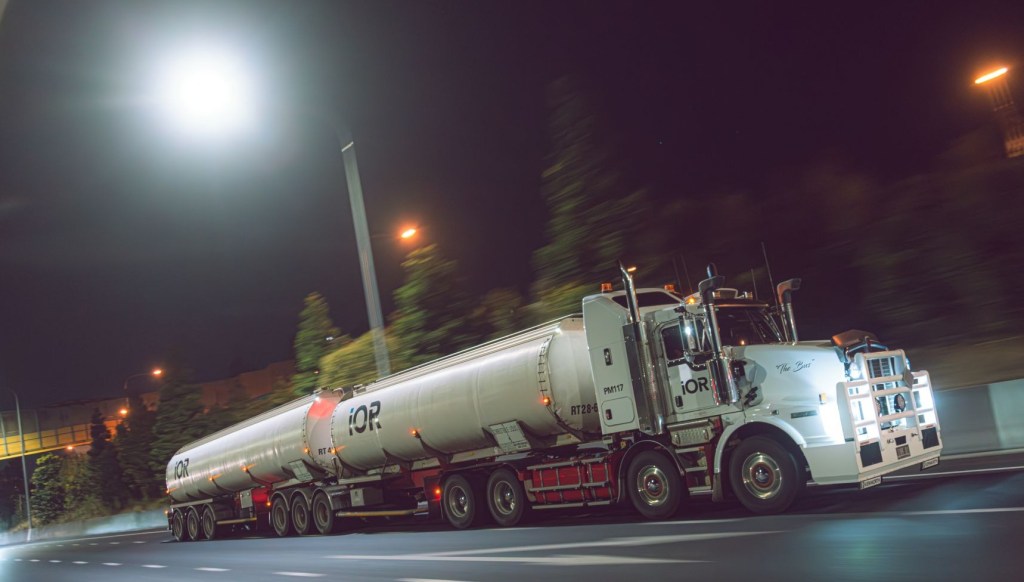
Performance Based Standards vehicles — modern truck combinations designed and assessed to meet strict safety and productivity standards — can move more freight safely but are often limited by complex and inconsistent road access approvals.
Hacking says industry is now looking to Treasurer Jim Chalmers and the Federal Government to convert the Commission’s recommendations into practical reform.
“The freight task is growing faster than the road network. The only sustainable answer is to move more freight, more efficiently, with fewer truck movements wherever it is safe and practical to do so,” he says.
“The Treasurer’s response will show whether the Government’s productivity agenda is willing to tackle practical reforms that affect every household and business.
“A truck that can safely carry more freight can reduce the number of trips needed, cutting congestion, fuel use and emissions.
“Better access arrangements will also support the rollout of zero-emission heavy vehicles by making sure new technology can be used where it makes sense.”