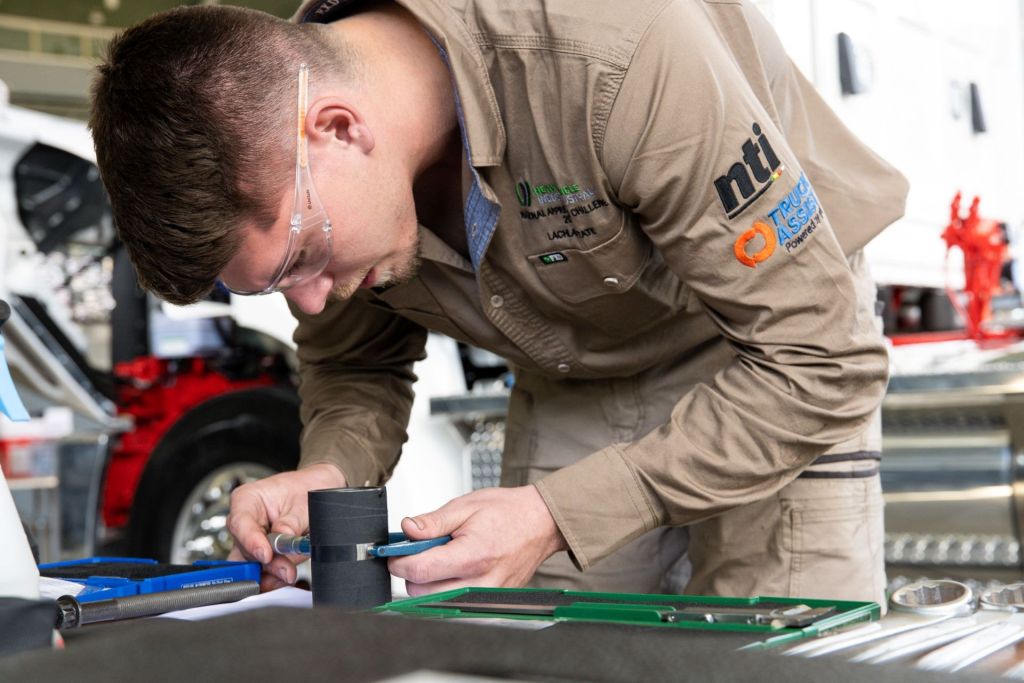
HVIA CEO Todd Hacking has written to the Federal Minister for Skills and Training, Andrew Giles, urging the Government to reconsider recently announced changes to employer apprenticeship incentives.
In correspondence sent this week, HVIA expressed significant concern about measures announced in the 2026-27 Federal Budget that will reduce the Key Apprenticeship Program Employer Incentive from $5,000 to $4,000 and remove eligibility for employers with more than 200 employees.
Hacking says the changes risk undermining the heavy vehicle industry’s ability to attract and train the skilled workforce needed to support Australia’s growing freight task. The industry employs more than 70,000 Australians and supports around 20 apprenticeship pathways across trades including welding, metal fabrication, spray painting, body building and automotive and heavy vehicle technician occupations.
“Apprenticeships are the foundation of our industry’s future skills pipeline,” he says.
“From manufacturing and repair through to maintenance and servicing, skilled tradespeople are essential to keeping Australia’s heavy vehicle fleet operating safely, efficiently and compliantly.”
The letter highlights that many larger employers have invested in apprentices for decades and play a critical role in providing the structured supervision, workplace systems and support services that help apprentices successfully complete their training. HVIA argues that removing incentive eligibility for these employers could have unintended consequences for apprentice commencements at a time when skills shortages remain widespread across the economy.
Importantly, HVIA notes that more than one-quarter of all Australian apprentices are employed by businesses with more than 200 employees. Excluding these employers from incentive programs risks weakening an already stretched training system and reducing opportunities for young Australians entering the trades.
The industry’s concerns come as demand for freight services continues to grow. The Bureau of Infrastructure and Transport Research Economics estimates that Australia’s road freight task will increase by 77 per cent between 2020 and 2050, driving the need for more skilled technicians, tradespeople and manufacturing workers across the heavy vehicle sector. The transition to emerging technologies, including battery electric heavy vehicles, is also changing workforce skill requirements and increasing the importance of long-term investment in training.
While existing apprentices will be protected through grandfathering arrangements, HVIA’s concern is focused on future apprentice commencements from 2027 onwards.
HVIA is calling on the Government to retain employer apprenticeship incentives for all eligible employers, regardless of company size, and to ensure policy settings continue to encourage businesses to invest in Australia’s future workforce.