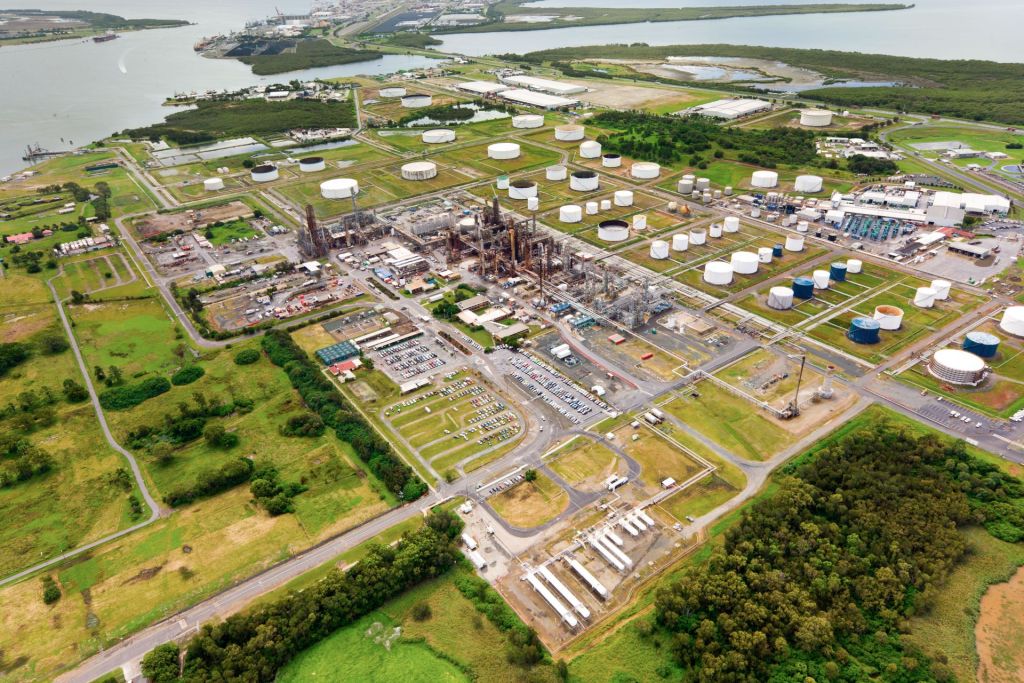
The Queensland Government is strengthening the state’s fuel security with a $25 million investment, and streamlined approvals, to develop renewable diesel at Ampol’s Lytton refinery.
The funding partnership will support the modification of Ampol’s existing diesel hydrotreater to co-process conventional diesel, with biogenic feedstocks such as waste and plant oils and animal fats, to produce renewable fuel that can be used in any existing diesel engine.
Once complete, the project will enable the first sustainable domestic production of second-generation low-carbon liquid fuels in Australia.
The project will initially be capable of producing up to 20 million litres of renewable diesel a year from 2028, processing 15-20 kilotons of feedstock per year.
This investment presents a pathway to unlock future project stages that could produce up to 750 million litres of sustainable aviation fuel and renewable diesel by the early 2030s.
The project also includes construction of a truck handling gantry, heated and insulated storage tanks with mixing/blending capability, a secondary tank containment system and system upgrades to process the feedstock.
Deputy Premier and Minister for State Development Jarrod Bleijie has declared the initiative a Prescribed Project, which allows the Coordinator-General to streamline approvals.
Construction is expected to begin by mid-2027 and will create 46 new jobs, including 40 construction and six operational.
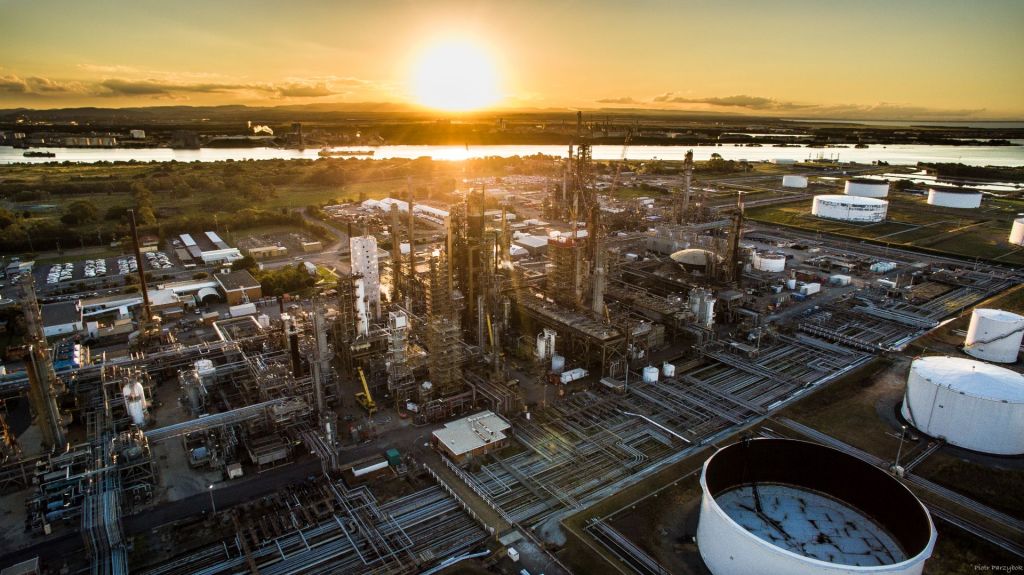
The project is the first to be funded under the Queensland Government’s flagship $180.6 million Sovereign Industry Development Fund.
Premier David Crisafulli says the investment forms part of the Government’s fuel security plan.
“Fuel security means restoring Queensland’s ability to drill, refine and store – and this projects means more fuel produced locally, for Queenslanders,” he says.
“These projects are important to ensure we are never again left at the mercy of foreign nations, at the end of a global supply chain.
“Across the short, medium and long-term we’re getting projects moving to produce oil, refine it and store fuel locally.”
Bleijie says the Sovereign Industry Development Fund is attracting investment and securing long-term jobs and economic growth, with biofuels, biomedical and defence as priority sectors.
“Long before this national fuel crisis, the Crisafulli Government had already identified the biofuels sector as a credible, viable and important industry to invest in and secure our fuel future,” he says.
“Within a few short years, Queensland will be producing hundreds of millions of litres of liquid gold because the right investments were made, and the right partnerships were forged.”