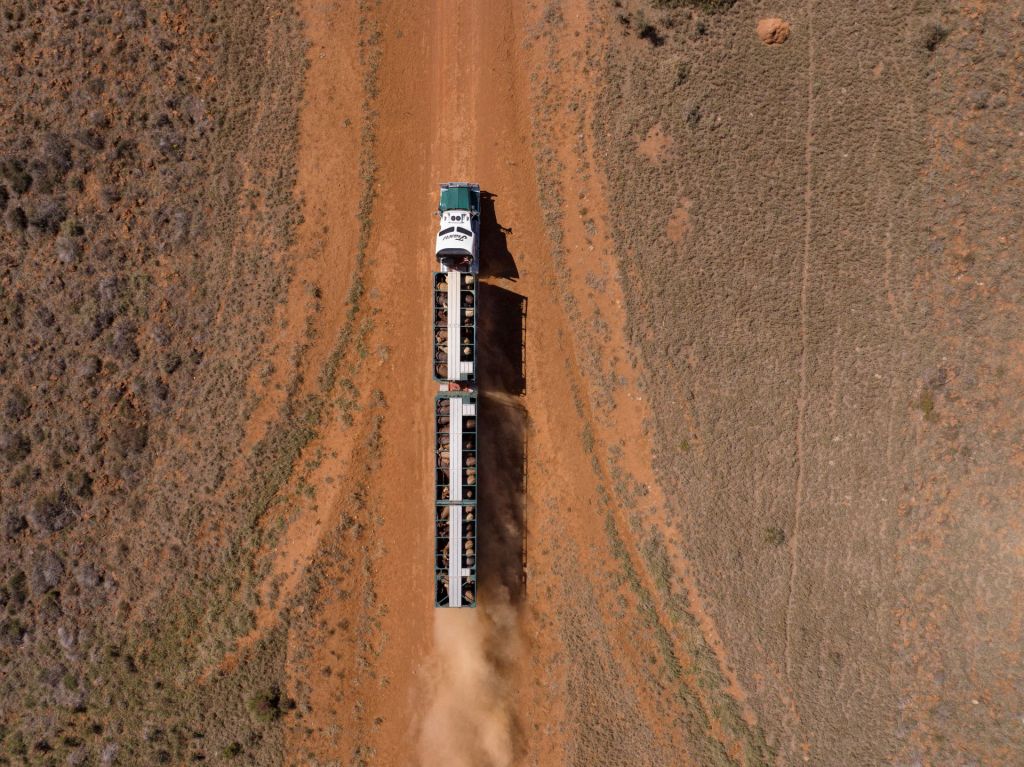
Meat & Livestock Australia (MLA) has formed a Transport Sustainability Taskforce with red meat supply chain representatives to measure animal movement and animal welfare metrics for the livestock road transport industry.
The taskforce will guide the domestic livestock transport industry’s focus on three pillars: animal welfare, supply chain efficiency, and education and training. It will identify and evaluate practical animal welfare indicators to track and report sheep and cattle welfare throughout the road transport chain.
MLA says annual tracking of animal movements, animal welfare status and overall performance will build transparency and highlight areas for improvement. Data will be reported in the Australian Beef Sustainability Framework and Sheep Sustainability Framework.
Project Manager Animal Wellbeing, Sharon Dundon, says the taskforce consists of people from across the supply chain including producers, saleyards, agents, transporters, retailers and processors, bringing expertise in science, industry knowledge and practical experience.
“Across the country, trucks are transporting livestock daily. It’s crucial for the entire industry to proactively collaborate, ensuring we do right by our animals and our industry,” she says.
“This taskforce is bringing the industry together, helping people understand their roles and responsibilities for livestock transport. It is also helping improve the understanding that best practice livestock transport comes down to good preparation.”
The draft strategy was recently shared with transporters at the Australian and NSW Rural Transporters Associations’ joint conference in Canberra and will be shared for consultation with supply chain stakeholders over the coming months.
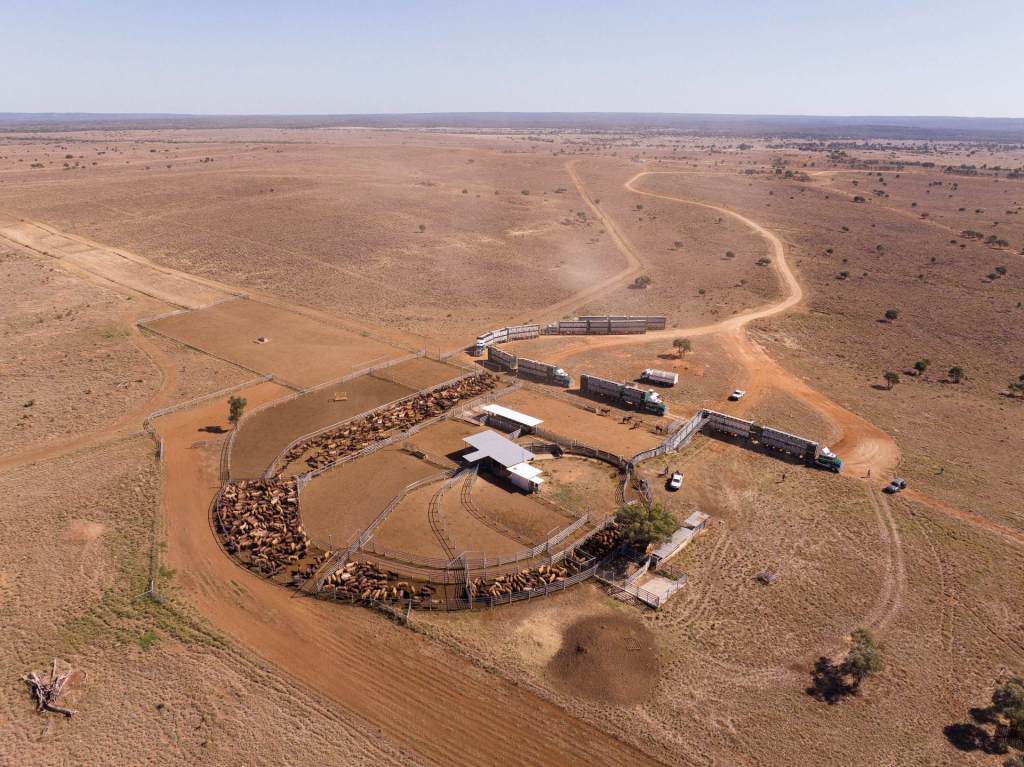
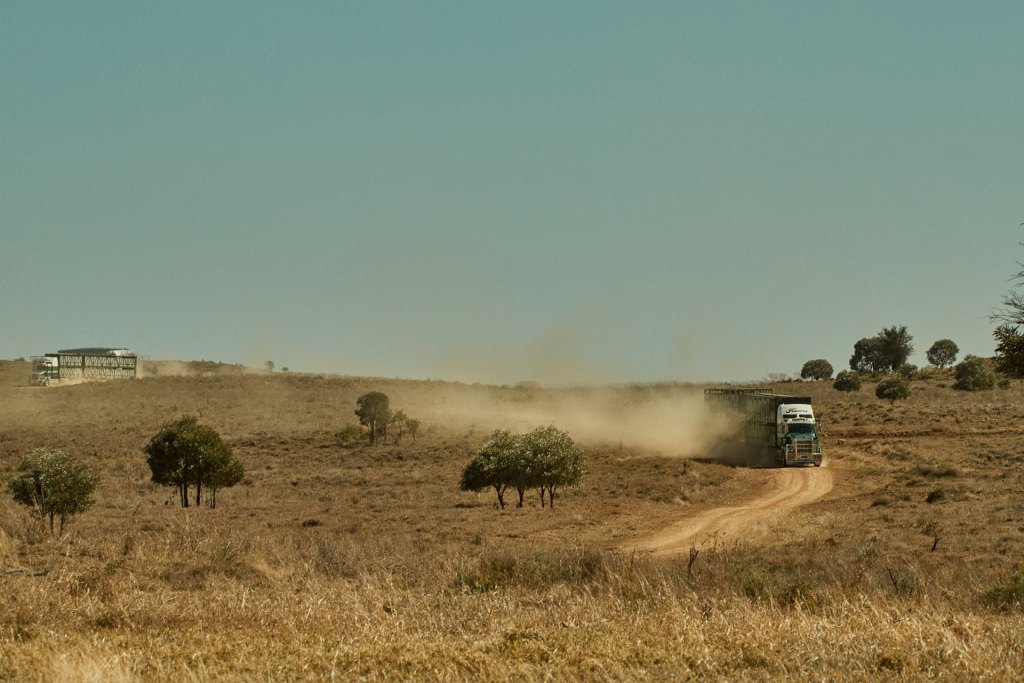
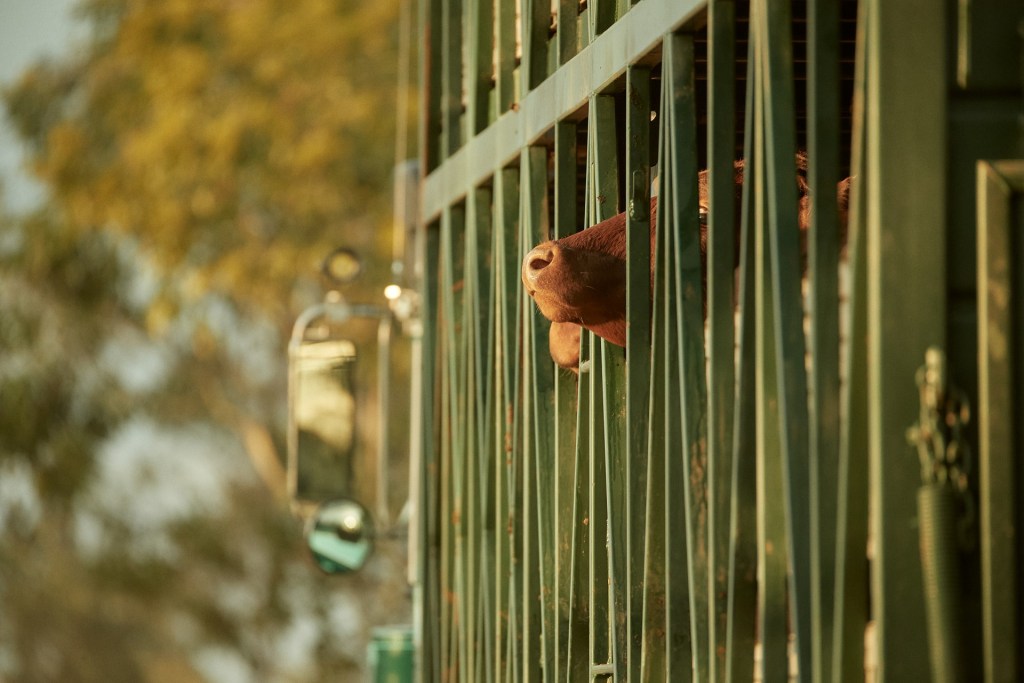
The taskforce consists of people from across the supply chain including producers, saleyards, agents, transporters, retailers and processors. Images: Sam Thies, ROADBOSS Magazine
Chair of the Australian Beef Sustainability Framework Patrick Hutchinson is a member of the group and says the taskforce is needed to provide a supply-chain wide approach to considering the risks and opportunities for domestic livestock transport.
“Without livestock transport there is no red meat industry,” he says. “All parts of the supply chain are connected by the industry’s livestock logistic systems.”
Hutchinson hopes the taskforce will lead to greater recognition of the vital role transport plays in the supply chain as well as considering how challenges can be solved.
“The taskforce fosters a collaborative approach across the supply chain, ensuring transporters feel involved and confident in playing their critical role,” he says.
“When everyone is working towards the same goals, and focusing on actions in their own specific areas, this creates improved outcomes overall, benefiting everyone.”
The taskforce has been created one year since MLA launched the Transport Hub website as a one-stop education resource for livestock transport by road in Australia in March 2024. To learn more about the taskforce and the Transport Hub visit here.
The taskforce was formed as part of an Australian Government grant funded project being delivered by MLA through the National Agriculture Traceability Sustainability Reporting Uplift Program.
It is an Australian Government investment under the National Agricultural Traceability Strategy 2023 to 2033 to drive greater cohesion, enhancements and value-added benefits across Australia’s agricultural traceability systems.