With Christmas nearing, and just a few months of the year to go, it appears that assessors at the Federal Department of Infrastructure have seen some relief in the number of Road Vehicle Standards-related applications received so far in 2025 compared to 2024.
The latest Regulatory Report, released on October 27, reveals applications declined by 16 per cent to 29,185 in the nine months to the end of September 2025 when compared to the same period of 2024 (36,150) – although they were up quarter-on-quarter in the three months to September 30 from 9,034 to 10,561 (see Figure 1).
Digging further into the data reveals that 84 per cent of the 34,899 new approvals in the past 12 months (Q4 2024–Q3 2025) were Concessional RAV (Register of Approved Vehicles) applications (see Figure 2).
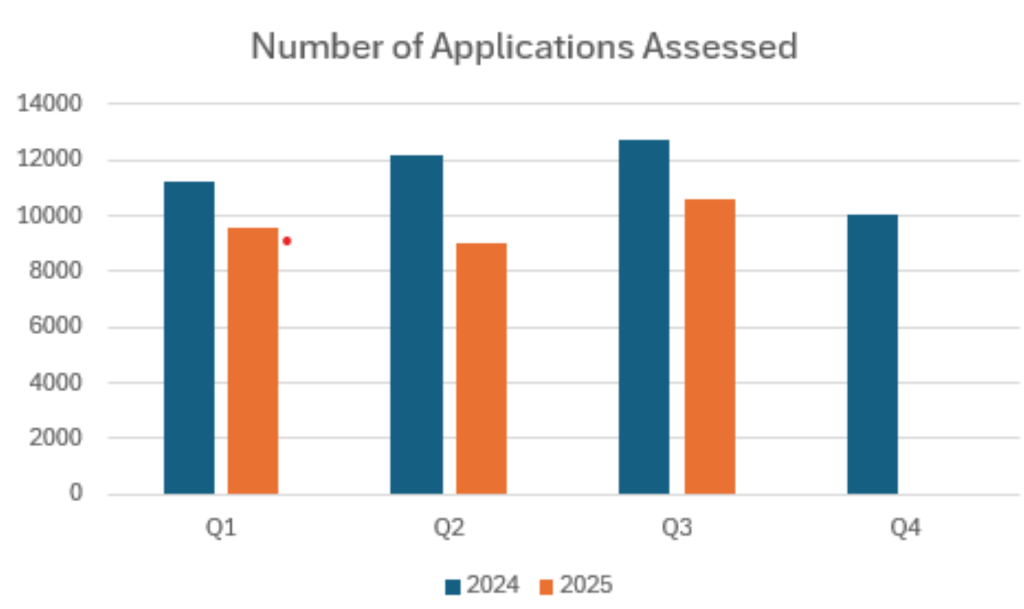
Figure 1: Number of applications assessed by the Department of Infrastructure, 2024-25
The other 16 per cent were variations to existing approvals (see Figure 3), with variations to Vehicle Type Approvals accounting for 62 per cent of that number.
Given they accounted for almost 84 per cent of applications for new approvals, one of the largest contributors to the decrease in total applications in the year to date appears to be a reduction in Concessional RAV entries (which fell from 9,922 entries in Q3 2024 to 7,682 entries in Q3 2025).
Concessional applications are a pathway for entering certain vehicles on the RAV that have concessions against the national Road Vehicle Standards but are otherwise suitable for use on public roads in Australia.
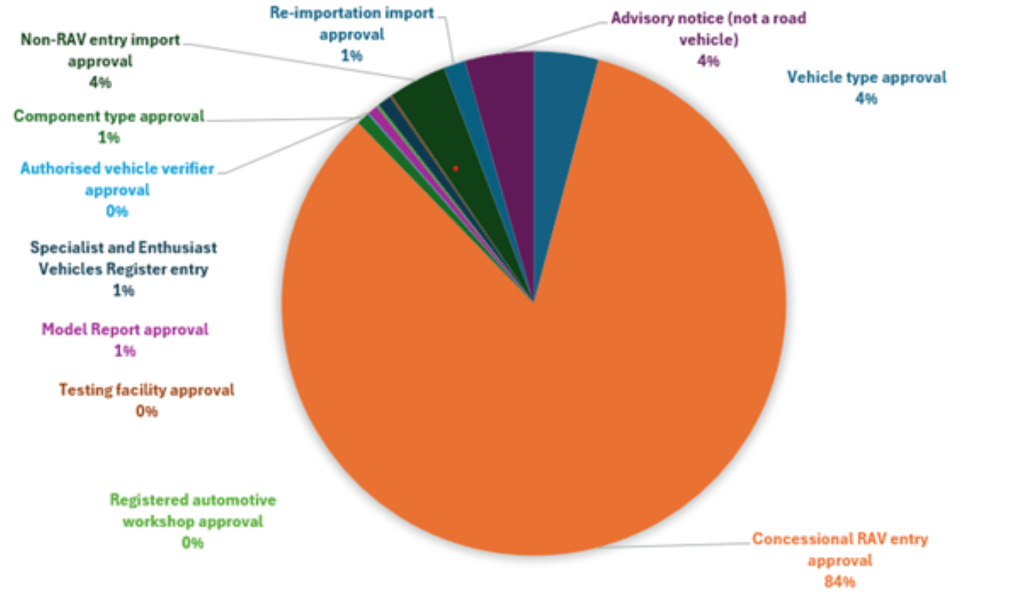
Figure 2: Breakdown of the 34,899 new approvals in the past 12 months (Q4 2024–Q3 2025)
Despite the decline in applications over the past nine months, some HVIA members have reported delays in processing times (see previous article) for Vehicle Type Approval variations. The latest report shows the time for processing of these applications has reduced from an average of 31 days to 25 days which should bring members some relief.
What’s more, the data provided in Regulatory Reports 1-5 indicates that all regulated time frames for processing are being met by the Department with the median processing timeframe for all new applications, from final submission to decision, at 11 days in the September quarter. The legislated decision-making timeframes, published here, vary from 30 to 60 days.
The Department has been helpful in assisting HVIA with member enquiries. It’s also worth noting that when there is a Request for Information (RFI) on an application, the processing time clock is stopped, and only restarted once the information has been provided by the applicant.
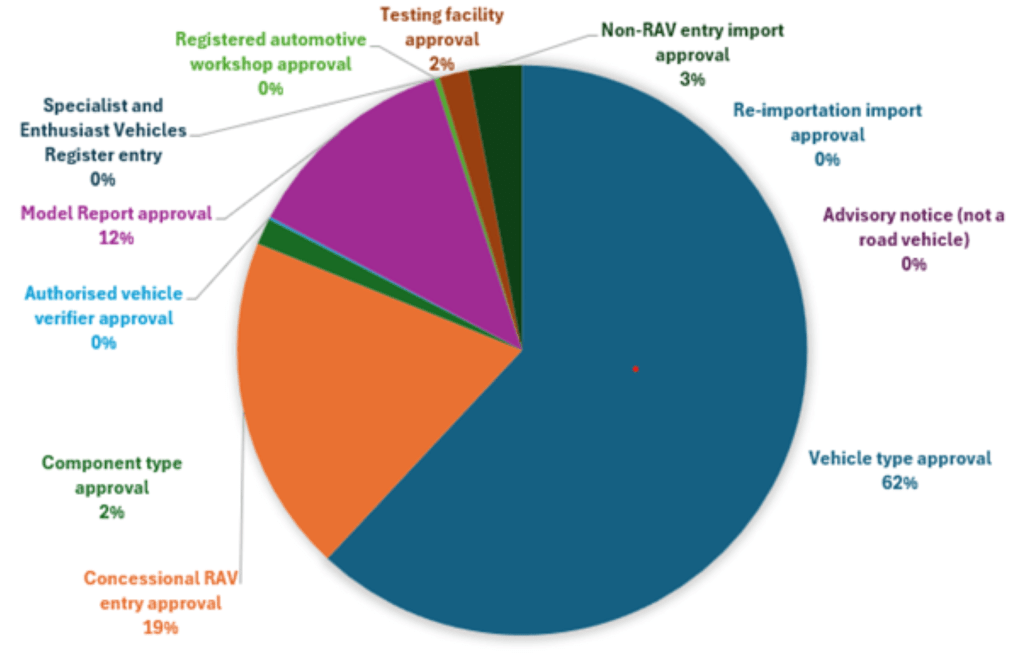
Figure 3: Breakdown of 4336 variation Aapprovals in the past 12 months (Q4 2024–Q3 2025)
As such, HVIA recommends that applicants respond to RFI’s as quickly as possible to avoid further delays. Please contact us if you have any concerns regarding processing of applications by the Department.
It is great to see that generally, processing has improved greatly since the inception of the Road Vehicle Standards Act (RVSA) and ROVER portal back in 2021.
Having a nationalised and transparent portal to submit these applications is beneficial to industry and would be fantastic to see rolled out in the heavy vehicle modification space.
All reports can be found here.