Hosted by the Electric Vehicle Council, the Women+ of Zero Emission Vehicles (WoZEV+) Australia and New Zealand group recently held a well-timed webinar on the progress of ZEV vehicles in Australia.
Held on March 25, the webinar offered an opportunity to showcase the latest new speakers added to the WoZEV+ speakers guide. For those who missed the event, it is available to watch here.
Speakers were asked about the biggest hurdles to reaching targets such as net zero by 2050.
> Joo-Yin Ong from Energy Australia felt we need more information on the lessons learnt and mentioned that we have a lot of knowledge, but is it being shared wide enough? ARENA knowledge share reports were highlighted as a great and rich source of information for industry.
> Marianna O’Gorman from the Australian Renewable Energy Agency (ARENA) confirmed that in exchange for an ARENA grant, “recipients need to share all the things that don’t go to plan (that they would normally keep private) publicly. This allows the next person to go quicker, cheaper, smoother.
Overwhelmingly, it was clear further planning and GAP analysis are required locally to deal with the power demand and infrastructure for charging EV’s, particularly in the heavy vehicle space where there is still no public charging infrastructure or electrified freight corridor for 50-tonne+ trucks to utilise.
With the 2025 BITRE statistics showing more than 380,000 registered heavy rigid trucks and over 128,000 articulated combinations, a move to 100 per cent ZEV vehicles in the heavy vehicle industry would be no small task.
But there is still so much positive progress being made in the heavy space with:
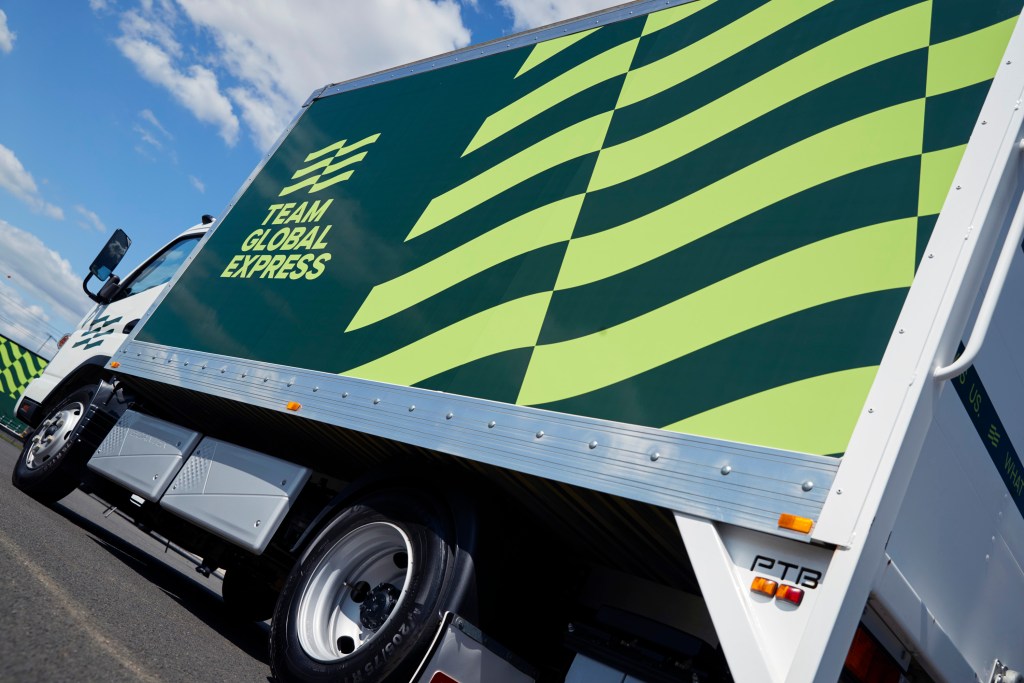
> Summer Steward from Team Global Express sharing the success of its ARENA-funded ‘Depot of the Future’ decarbonisation project which currently houses Australia’s largest heavy electrified logistics fleet. She indicated many drivers are now asking how they can become “electrified” in the wake of rising fuel prices.
> HVIA Chief Engineer Rachel Michaud noted that “ZEV vehicles has the positive consequence of enhancing road safety with advanced safety systems mandated on many new trucks and cars in Australia.”
It was felt enthusiasm toward EVs is not the biggest hurdle. It is the infrastructure and systems required. The global landscape will fast track the transition, but power and infrastructure are the bottleneck.
> Akanksha Sharma from Schneider Electric said, “Often, we have the end user ready, developers, contractors, eco system. It’s the power availability that becomes the big challenge. More innovative solutions are still expected from technology perspective.”
> Alina from the Electric Vehicle Council of Australia asked New Zealand colleagues “With new road user charges and removal of rebates, how can industry maintain momentum when policy tailwinds turn into headwinds?”
Stephanie from Hikotron indicated that, “Myth busting and misinformation are still problematic. We need to signal to the market that New Zealand is here and open for business, to direct exciting new technologies to them.”
> Margarita from Clean Energy Works says there was a “15 per cent uptake of EVs when the rebate was available. This dropped to 7 per cent without the rebate. EV incentives have changed multiple times which creates uncertainty.”
> Julie Perrisel from Ivygo noted an observed a shift in the private EV market where rising petrol costs are accelerating purchase timelines, pushing consumers who previously planned to switch in a few years to buy immediately. She emphasises that “education is number one”. She also feels the industry can move toward a more convenient “destination charging” model where drivers charge wherever they naturally park rather than forcing them to seek out specialised fast-charging stations.
If anyone is keen to join the WoZEV member/mailing list, they are welcome to sign up.
With HVIA’s TruckShowX 2026 conference and expo just five weeks away, it’s not too late to secure a ticket and continue the conversation around decarbonisation, future technology, safety and how and why our industry must adapt in the coming decades to stay viable, productive and transformative in handling the increasing freight task in Australia. To find out more click here.