
The National Heavy Vehicle Regulator (NHVR) has published a new draft Code of Practice to assist industry to improve safety outcomes in the transport of logs from forest to mill or port.
The new Log Haulage Industry Code of Practice (LHC) provides guidance for businesses involved at every level of the forest log haulage task.
NHVR Acting Chief Safety and Productivity Officer Paul Sariban says the draft LHC was developed in collaboration with the Australian Forest Products Association and the Australian Forest Contractor’s Association, along with industry representatives and stakeholders.
“The LHC is a practical guide of interest to anybody who conducts business in the forestry sector. It supports parties in the Chain of Responsibility to understand and meet their primary duty and other obligations under the Heavy Vehicle National Law,” he says.
“Consulting with industry associations and stakeholders in the creation of the new LHC was key in allowing us to properly understand how the industry’s operations are conducted, identify any hazards and document or develop effective control measures to eliminate the risks they may cause.”
The new Code will be available for public feedback for the next eight weeks. All feedback received from any stakeholder within the logging sector will be considered by the NHVR as part of the assessment process to determine whether the Code is suitable for registration.
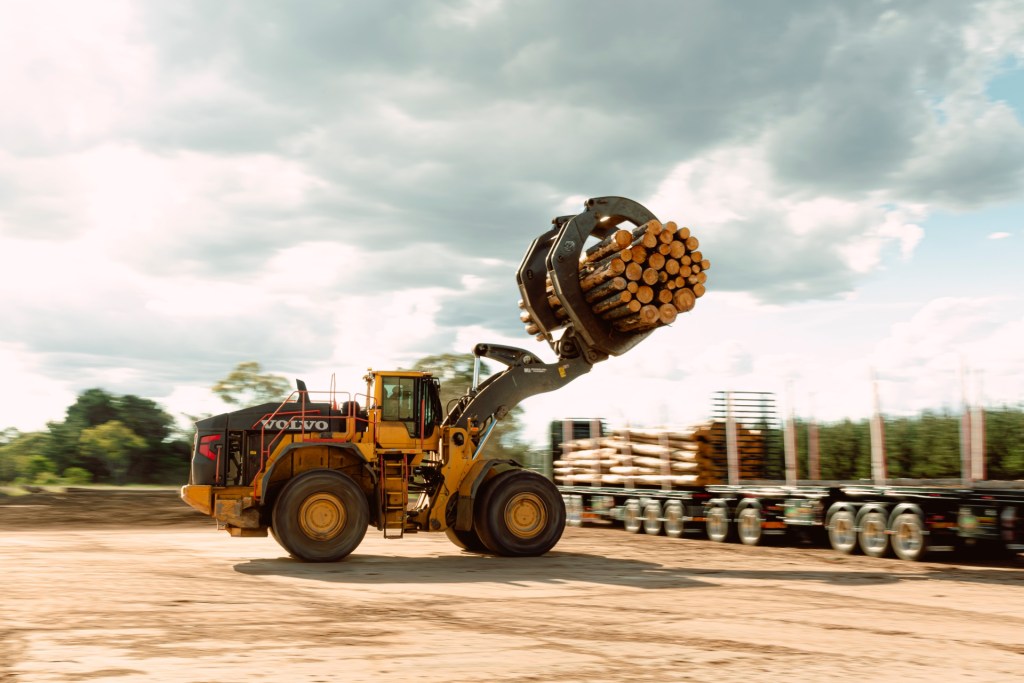

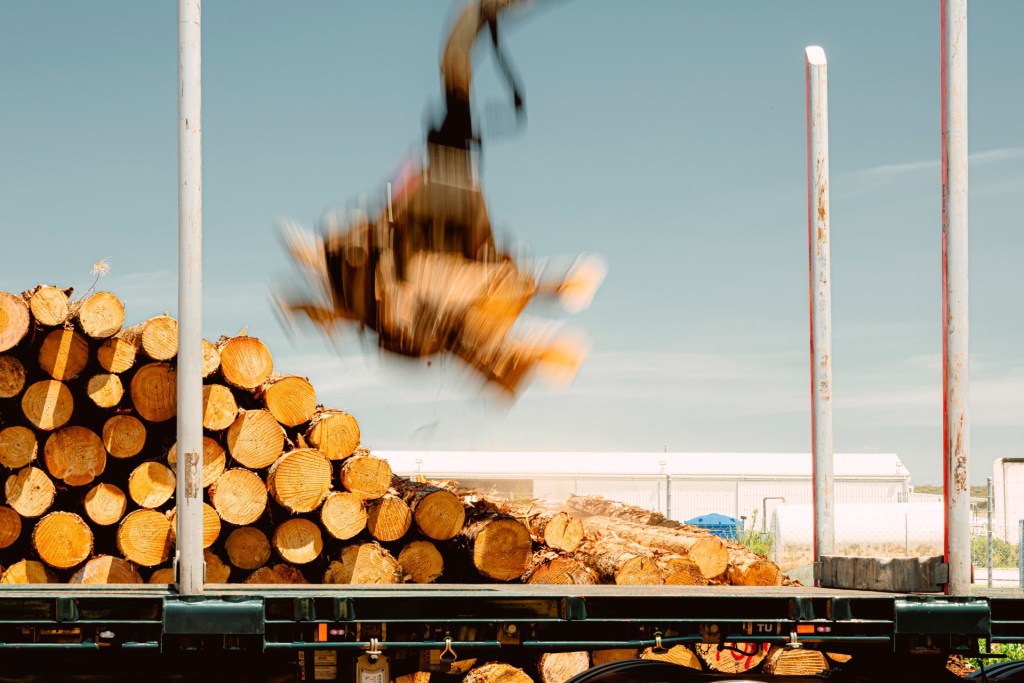
Drivers must comply with numerous obligations under the HVNL, including loading requirements, mass and dimension requirements, and fatigue management. Images: Alastair Brook
Sariban says the new LHC is relevant to anyone or any business that: owns a forestry area where logs are harvested; harvests or stockpiles logs for transport; loads, operates or contracts heavy vehicles to transport logs; or manages a facility such as a mill where logs are delivered.
“The code also assists businesses to assess training needs for drivers and other workers,” he says.
“Like all heavy vehicle drivers, drivers of log haulage vehicles must comply with numerous obligations under the HVNL, including loading requirements, mass and dimension requirements, and fatigue management.
“Additionally, log haulage drivers confront particular challenges operating off-road or on primitive dirt roads, in all weather and with vehicles loaded near to their maximum capacity. High-quality on-going training must be provided to ensure that drivers are sufficiently skilled to carry out these operations safely and efficiently.”
However, Sariban makes the point that businesses cannot “pass the buck” to drivers when things go wrong but must have in place robust systems that ensure safety.
“The HVNL makes it clear that the primary duty is shared by all the parties who have a role in the transport task, acknowledging the opportunities that different parties have to eliminate or reduce risks to public safety from the use of heavy vehicles,” he says.
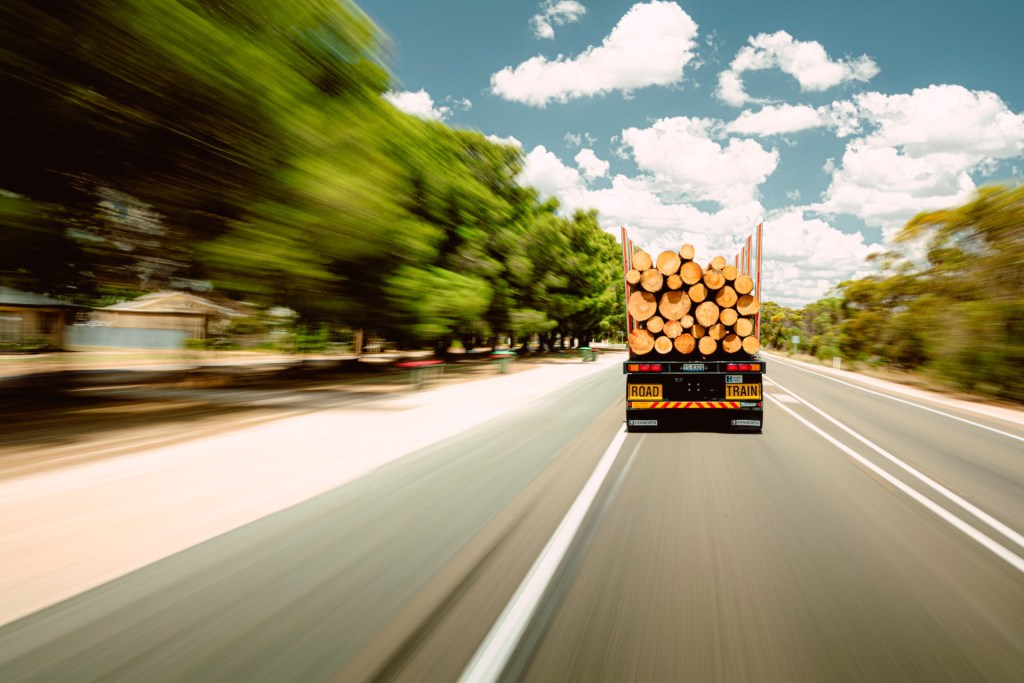
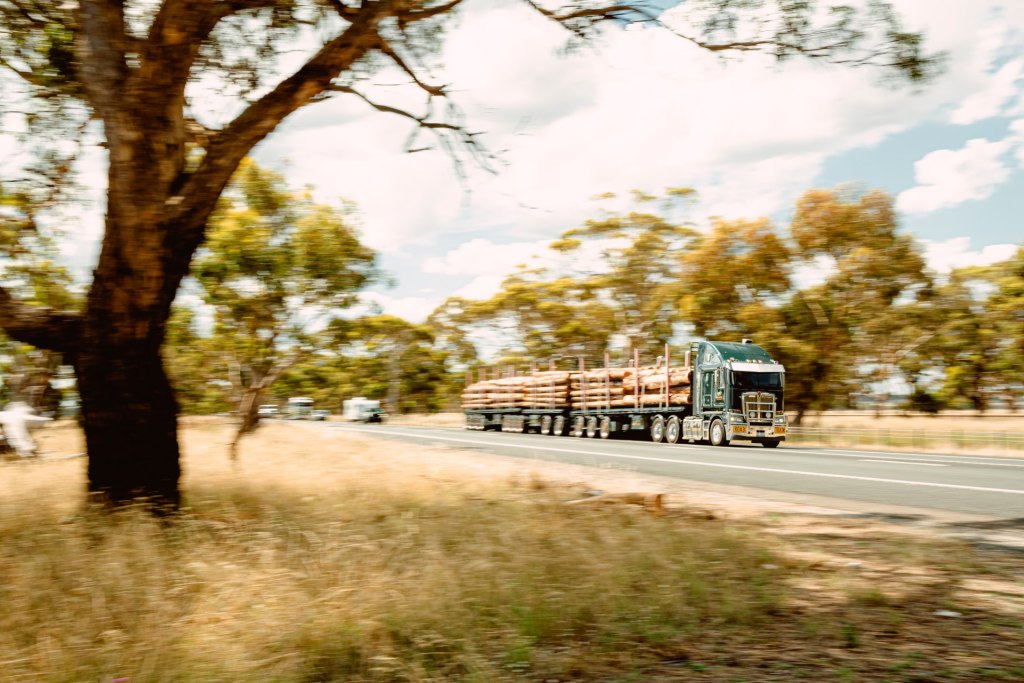

Heavy vehicles used for hauling are also often exposed to rough and uneven ground, and to damage caused by the heavy equipment used for loading and unloading. Images: Alastair Brook
“For example, forestry managers can reduce driving hazards through road design, signage and traffic control, while loaders can improve vehicle stability by careful selection and placement of logs.”
Heavy vehicles and equipment used for hauling are also often exposed to rough and uneven ground, and to damage caused by the heavy equipment used for loading and unloading, Sariban adds.
“The environments these heavy vehicles are subjected to can damage vehicle components, so the new LHC provides in-depth guidance and control measures, so that all parties in the supply chain can work together to minimise damage to vehicles, and to identify and address vehicles and loads that may pose risks to public safety,” Sariban says.
The LHC outlines the range of transport activities that are involved when logs are transported from the forest.
It identifies some hazards and effective measures to control them that can be implemented within each of those activities.
Some of those measures relate to equipment or training or procedures, but in preparing the LHC, it became apparent that many of the hazards can only be effectively managed when businesses share information and cooperate.
Industry can access the draft Code here. Feedback should be provided using the feedback form on the Log Haulage Code Consultation page and submitted to codes@nhvr.gov.au.