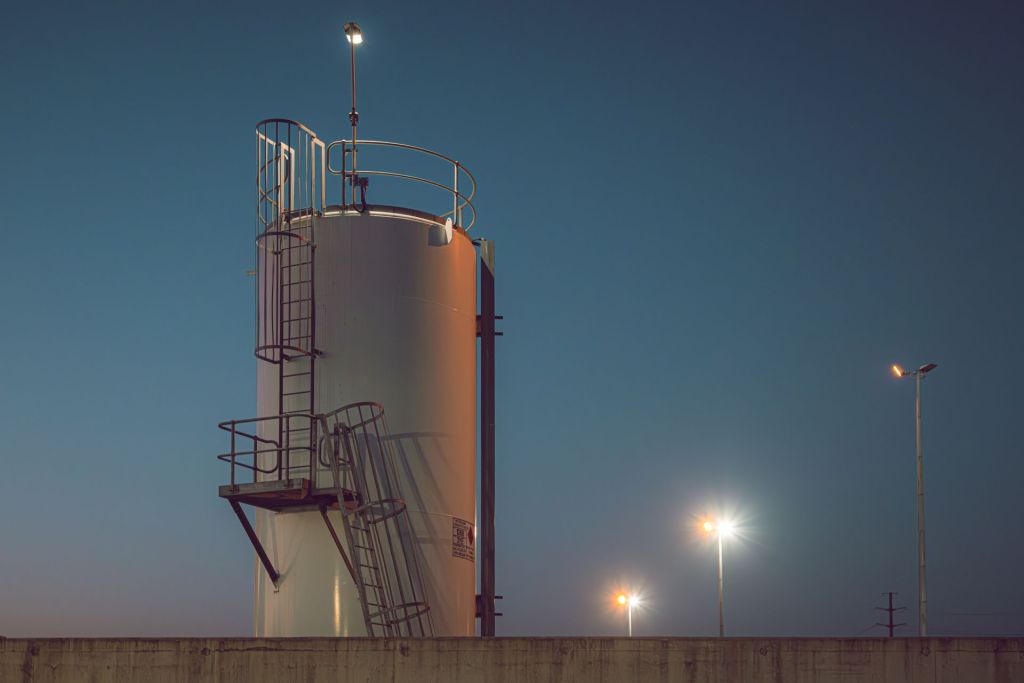
The 10th meeting of the Transport Industry Fuel Security group was held earlier today, with Minister for Infrastructure, Transport, Regional Development and Local Government, Catherine King, addressing the gathering and highlighting the Australian Fuel Security and Resilience package which was announced on May 6 and included in this week’s Budget. Read the PM’s media release here.
► The Department is keen to hear from anyone who can assist with the implementation of this package – especially fuel storage, and all unsolicited bids are to be sent to FuelResponse@infrastructure.gov.au for review.
► The Fuel Security Taskforce is currently preparing for a ‘worst case’ scenario of moving to Level 3 of the National Fuel Security Plan, which involves ‘taking targeted action’ to ensure fuel gets where it’s needed most as well as adopting practical measure to limit fuel use. The meeting was told there’s no evidence of the need to invoke Level 3 but we need to prepare and should be ready to act swiftly if needed.
► The current fuel stocks held under the Minimum Stockholding Obligation (MSO) are 42 days of petrol, 35 days of diesel and 29 days of jet fuel.
The overall message is, the Government is not alarmed but is readying itself to move quickly if an escalated response is required.
Supply
► Australia is experiencing “normal levels” of supply and demand across the country. To put this into perspective – 92 tankers arrived in April (10 crude, 82 refined product) compared to 81 in January, 79 in February and 77 in March.
► Global supply has recalibrated with new entrants in the market, but the situation is tight. Australia is getting more oil from the US Gulf than ever before, but producers in that region are about to tap into reserves and blend product.
► There’s been an estimated one-billion-barrel shortfall in supply since the start of the war in Iran. Global refining is down to 79m barrels a day.
► The International Energy Agency (IEA) estimates some 250m barrels were released from emergency stockpiles globally – mostly from OECD countries.
Prices
► Treasury is continuing to monitor price impacts and is currently undertaking economic analysis for increased pricing. This will be presented to Government shortly, noting that the existing financial support (halving fuel excise and abolishing the RUC) ends June 30.
► The IEA predicts that even if the conflict ends in June, the world will not see price normalisation until Q4 of 2026 (October / November). Saudi Arabia is less optimistic predicting early 2027.
► Whilst elevated, pricing has been stable more recently.
Industry Support
► The Economic Resilience Package is rolling out and in addition to zero-interest loans, the ATO does have help available in terms of deferring tax payments.
► Banks can also help with emergency relief such as payment deferrals and loan restructuring.