
The successful adoption of electric and alternative energy vehicle infrastructure requires a coordinated and holistic workforce strategy that recognises the complex, multidisciplinary nature of the shift, according to HVIA National Manager – Skills, Training and Workforce Development, Michael Rose.
“The transition requires a distinct but collaborative approach between heavy vehicle technicians and licensed electrical trades,” he says.
“Firstly, there must be a clear regulatory and occupational boundary between heavy vehicle technicians and electricians. While both professions will work in the EV (electric vehicle) ecosystem, their functions are profoundly different in scope, training and qualification application.”
In addition, heavy vehicle technicians must be upskilled to safely handle high-voltage systems, battery management and diagnostic technologies, but this must not blur the lines with the responsibilities of licensed electricians, especially when it comes to infrastructure installation and high-voltage electrical systems not contained in an automotive vehicle, he adds.
“This distinction maintains safety, quality and compliance with existing electrical licensing frameworks,” Michael says.
“Isolating an EV is not simply a technical step. It is a layered, highly considered process that OEMs have developed in detail to ensure personnel and equipment safety. This process reflects a deep integration of electrical safety, mechanical awareness and system-level diagnostics.
“The competency required to isolate an EV safely and correctly extends well beyond basic training.”
According to Michael, a technician undertaking this task is on average:
> Post-trade qualified, often with at least five years’ experience;
> OEM-trained in brand systems, safety protocols, tooling and PPE;
> Upskilled through nationally recognised VET training, including accredited EV skill sets; and
> Retrained at the product level to work with high-voltage systems and follow strict isolation protocols.

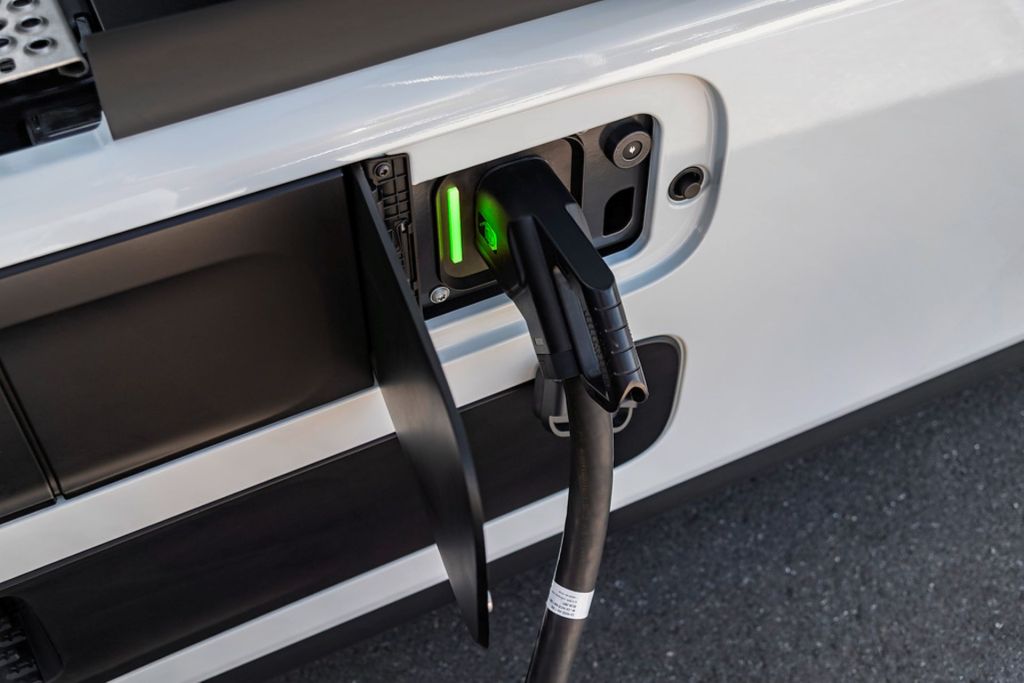
HV technicians must be upskilled to safely handle high-voltage systems, battery management and diagnostic technologies
“After an EV has been isolated (verified through systematic procedures, double-checked by a second trained technician, and confirmed via both equipment and manual inspections) it is classified as no longer being an active electrical system. At this stage, standard mechanical diagnostic and repair processes may be performed on the vehicle,” he explains.
“In sum, upholding a clear distinction between electrical system management and mechanical maintenance is essential for ensuring workforce clarity and promoting safety.”
Secondly, Michael says workforce development must be planned holistically. This includes:
> Upskilling existing heavy vehicle technicians through nationally accredited EV training tailored to their scope of work;
> Expanding the pipeline of new entrants, particularly through modernised apprenticeships that include EV content embedded in core units;
> Supporting electricians with specialised EV infrastructure and charging system training;
> Establishing clear vocational pathways across automotive, electrical, and construction trades, recognising their intersecting roles in vehicle and infrastructure deployment; and
> Engaging with TAFEs and RTOs to build capability and scale delivery across metropolitan, regional and remote areas.
“A unified national approach, preferably led by Jobs and Skills Councils, is necessary to prevent fragmented implementation and inconsistent standards,” he adds.
“Maintaining boundaries between heavy vehicle technicians and electricians ensures safety, clear regulatory compliance and workforce clarity as NSW expands its EV infrastructure and service capacity.”