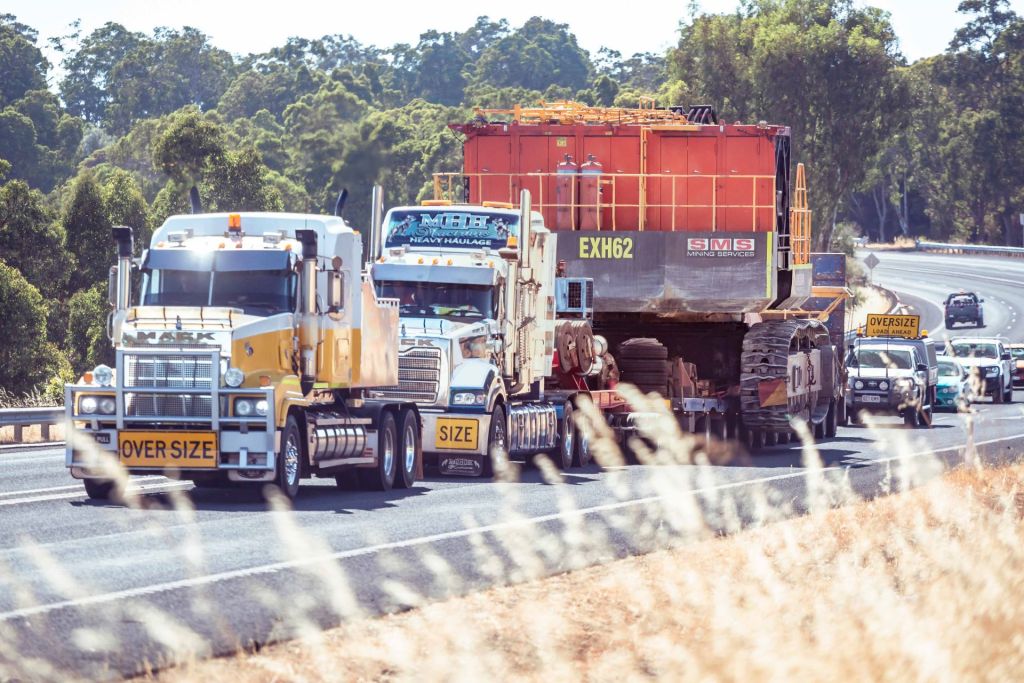
The NHVR together with the South Australian state and local governments have implemented several Oversize Overmass (OSOM) trial notices to replace the need for the heavy vehicle industry to apply for permits on key routes.
The trials aim to save transport operators time and money by removing the need to apply for OSOM permits; as well as benefitting trailer manufacturers and suppliers by making it easier for customers to utilise such equipment.
Effective January 23, the NHVR has introduced three OSOM trial notices providing exemptions from dimension and/or mass requirements for:
- Vehicles carrying large, indivisible items (eg turbine parts, silos, tanks, machines, etc);
- Vehicles with load loaders (which are typically used to carry large, indivisible items); and
- Vehicles with platform trailers (which are typically used to carry large, indivisible items).
Additionally, effective February 3, the NHVR has introduced a notice that provides exemptions for heavy vehicles operating at general mass limits or under mass management accreditation, at concessional or applied higher mass limits under the Heavy Vehicle (Mass, Dimension and Loading) National Regulation (the Regulation), or under specified Notices, while transporting grain directly from a farm to a grain receiver.
The South Australia Farm Gate Grain Transport Mass Exemption Notice 2025 (No.1) provides for the loaded mass of a heavy vehicle to exceed the normal mass limit applicable to the vehicle/combination up to 105 per cent for the first and second load carried by the heavy vehicle from a given paddock on a given day.
If the first load carried on a heavy vehicle from a given paddock on a given day is more than 100 per cent of the normal mass limit, the mass of the second load (carried by the same heavy vehicle from the same paddock on the same day) must be less than the first load.
In addition to this, all subsequent loads must comply with the normal mass limits that apply to the heavy vehicle.
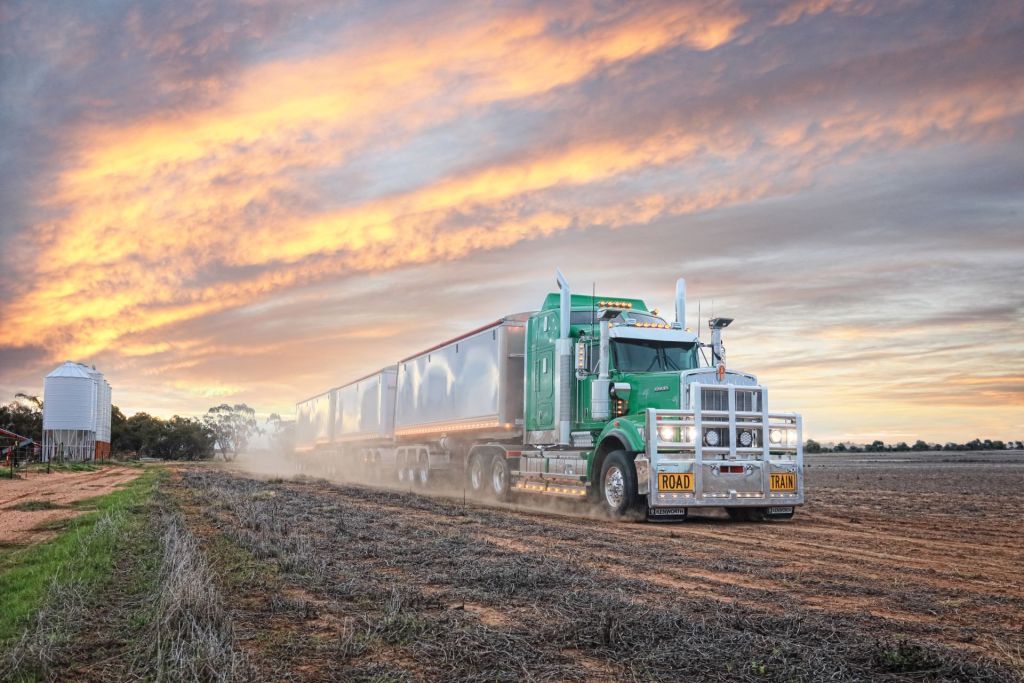
The NHVR has introduced a notice that provides for the loaded mass of a heavy vehicle to exceed the normal mass limit up to 105 per cent for the first and second load carried by the heavy vehicle from a given paddock on a given day
The Notice – which expires February 2, 2030 – does not exempt parties from obligations in relation to Chain of Responsibility requirements under the HVNL, load restraint or any other mass and dimension requirements.
South Australian Infrastructure and Transport Minister Tom Koutsantonis says he’s pleased to see the changes come into effect after making the request to the NHVR to reduce heavy vehicle access permits in the state.
“Streamlining heavy vehicle access by transitioning permits to notices will allow operators to travel more efficiently, and I thank the NHVR for their enthusiastic response to improve access to routes subject to multiple heavy vehicle access permits,” he says.
“[This] announcement is part one of a multi-stage plan to drastically reduce the need for thousands of heavy vehicle permits in South Australia.
“These outcomes show how the NHVR and state and local government are listening to industry about what needs to be done to continue to achieve improved heavy vehicle safety and productivity outcomes.”
The NHVR says the new OSOM trial notices allow access to load-carrying vehicles with greater mass and dimension limits than previously authorised, delivering a more streamlined process for operators, with larger and heavier movements of indivisible loads now either requiring no permit, or consent from less road managers than before.
Over the next 12 months, the NHVR, the South Australian Department of Infrastructure and Transport (DIT) and other participating road managers will assess how effective the trial notices have been in supporting heavy vehicle productivity and safety.
Future stages of the multi-stage plan will focus on reviewing the state’s Performance-Based Standards (PBS) combinations, livestock transport mass exemptions, and tri-drive prime mover access arrangements. The review will also address special-purpose combinations, ensuring alignment with evolving industry needs.