Heavy Vehicle Industry Australia (HVIA) has lodged a submission with Austroads Project SRL6505, delivered by Deloitte, which is reviewing the Written Off Vehicles Register (WOVR) National Assessment Criteria.
HVIA’s consultation with members found one overriding issue: most states and territories do not have an effective or explicit written-off register for heavy vehicles.
Because the gap is safety-critical and relatively cheap to fix, HVIA limited its submission to this single issue, which industry has been raising for more than a decade.
HVIA’s submission – available here – calls for a nationally consistent WOHVR in every state and territory by 2029, based on the NSW scheme and the Austroads heavy vehicle damage criteria.
These schemes should share one set of criteria and a digital register that tracks trucks by VIN, coordinated by Austroads. Repairable write-offs should return to the road only after repair by a licensed repairer, with a full record of the work and parts.
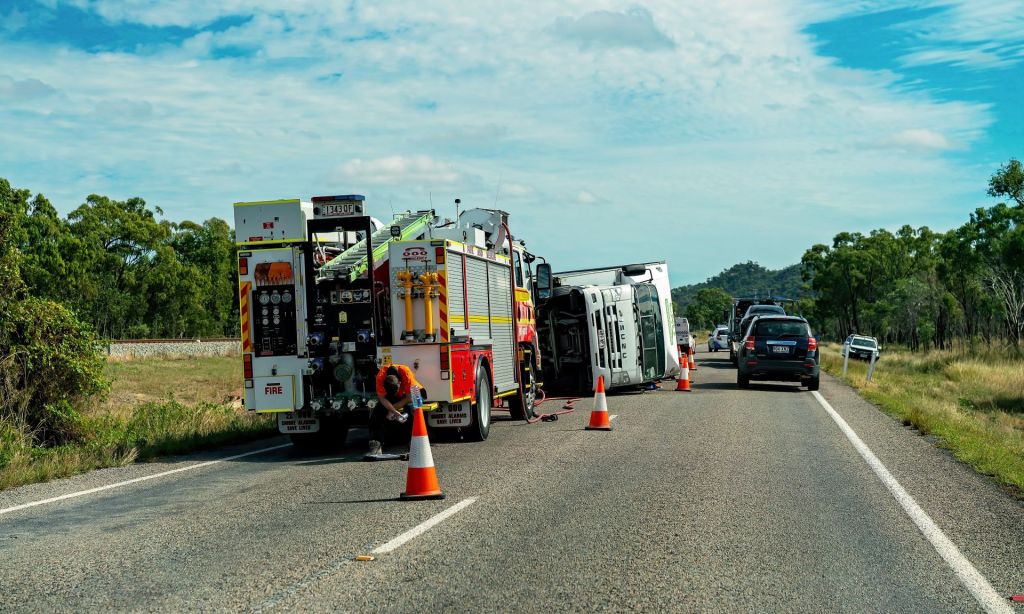
Hidden damage is the core risk. Industry estimates that around 80 per cent of trucks in a major incident have a bent chassis. Damage to chassis rails, steering boxes, turntables and wheel bearings is not reliably found by a visual roadworthy inspection. Members described several examples:
>> A late-model truck sold as “fleet downsizing” turned out to be crash-repaired, with a chassis too twisted to fit a body.
>> A truck was found with components glued rather than welded.
>> A cash-settled truck was poorly repaired and crashed again in the same place, with worse damage.
HVIA also stressed that light vehicle rules are not suitable for trucks. Cars are designed to be sacrificial in a crash, while trucks are built to be repaired. As a result, light vehicle criteria either scrap repairable trucks or miss dangerous ones.
Industry regards the NSW scheme as best-in-class, but HVIA identified two improvements. First, the damage criteria should accommodate new fuel technologies, particularly fuel cells. Second, the legislation’s wording makes light trucks in the 3.5- to 4.5-tonne range automatic statutory write-offs. This means older, low-value trucks can be permanently written off over minor damage.
HVIA also addressed likely concerns. On salvage values, the NSW model keeps a repairable category, so viable repairs continue through accredited repairers. On timing, a national digital system could take around 18 months to finalise, so work needs to start now to meet the 2029 deadline.
Members with questions about the submission can contact HVIA Chief Engineer Rachel Michaud at r.michaud@hvia.asn.au.