Australia is set to become a major global player in sustainable fuels, with the Federal Government today unveiling plans to invest $1.1 billion to accelerate the supply of low-carbon liquid fuels to drive decarbonisation across the nation’s key industries, including heavy transport.
Today’s announcement delivers an unprecedented package of measures, including the launch of a new 10-year Cleaner Fuels Program to attract investment for domestic fuel production, and funding that backs Australian innovation, from the farm to the fuel bowser.
The new measures build on existing initiatives, including the Sustainable Aviation Fuel Funding Initiative and the Future Made in Australia Innovation Fund – as well as the Government’s work to expand the Guarantee of Origin scheme to cover low-carbon liquid fuels and to establish a renewable diesel fuel quality standard.
Acting Minister for Infrastructure, Transport, Regional Development and Local Government Murray Watt says the first production of ‘drop-in’ cleaner fuels, which can be directly substituted for existing fuels and work in today’s engines, is estimated by 2029.
Details about eligibility for the new production-linked incentives – which will bne awarded through a competitive process – will be considered through public consultation and design work to take place this financial year, he adds.
“As demand for air travel grows, and more goods are moved by road and rail, it’s essential we invest in future fuels that allow us to facilitate this increasing demand while meeting our net-zero targets,” Watt says.
“Low carbon fuels have the potential to be a $36 billion industry here in Australia, and we have the opportunity to lead the way on the production of these new fuels.
“We have the renewable feedstocks, access to clean energy and a strong agriculture base, all of which will allow us to develop this new industry, create new jobs and power how Australians move for decades to come.”
The Low Carbon Fuels Alliance of Australia and New Zealand (LCFAANZ) – representing more than 300 stakeholders, from feedstock and fuel producers to project developers, customers, researchers and all levels of government – says the “ground-breaking investment will turbo-charge Australia’s emerging low-carbon liquid fuels sector, strengthen the nation’s fuel security and help position Australia at the forefront of the global clean-energy transition”.
The LCFAANZ believes Australia’s abundant feedstocks, established refining capability and strong policy support create a unique opportunity for the nation to secure a leading role in the global low-carbon liquid fuels market.
Drawing on Australia’s vast agricultural base, it says the investment positions low-carbon liquid fuels as a key pillar of the Government’s net-zero strategy, enabling hard-to-abate sectors such as aviation, marine, manufacturing, transport, mining, and construction to reduce emissions without major disruption or high costs.
The LCFAANZ says the announcement represents a clear signal to the world that Australia is open for business in the development and deployment of low-carbon liquid fuels.
The Alliance has been working closely with the Albanese Government to drive policy that will attract the investment required to build a vibrant low-carbon liquid fuel industry.
The investment follows the release of Bioenergy Australia’s ‘Securing Our Fuel Future’ report, which warned that Australia’s heavy reliance on imported fuel and shrinking domestic refining capacity left the nation increasingly exposed to global supply shocks and rising costs.
The report found that even with strong electrification, Australia will still need about 30 billion litres of liquid fuel by 2050, making low-carbon options such as sustainable aviation fuel, renewable diesel, biodiesel, bio-methanol and ethanol essential to cut emissions, maintain competitiveness and strengthen fuel security.
Shahana McKenzie, founder of the LCFAANZ and CEO of Bioenergy Australia, says the announcement represents a major breakthrough in the building of Australia’s low-carbon liquid fuels industry, reinforcing the Government’s recognition of the pivotal role these fuels will play in achieving net-zero.
“This investment changes the game for Australia’s homegrown low-carbon fuel industry and our energy security. It sets the foundation for a cleaner, more resilient economy – supporting jobs, sparking innovation and providing hard-to-abate sectors with the affordable, sustainable fuels they need to reach net zero,” she says.

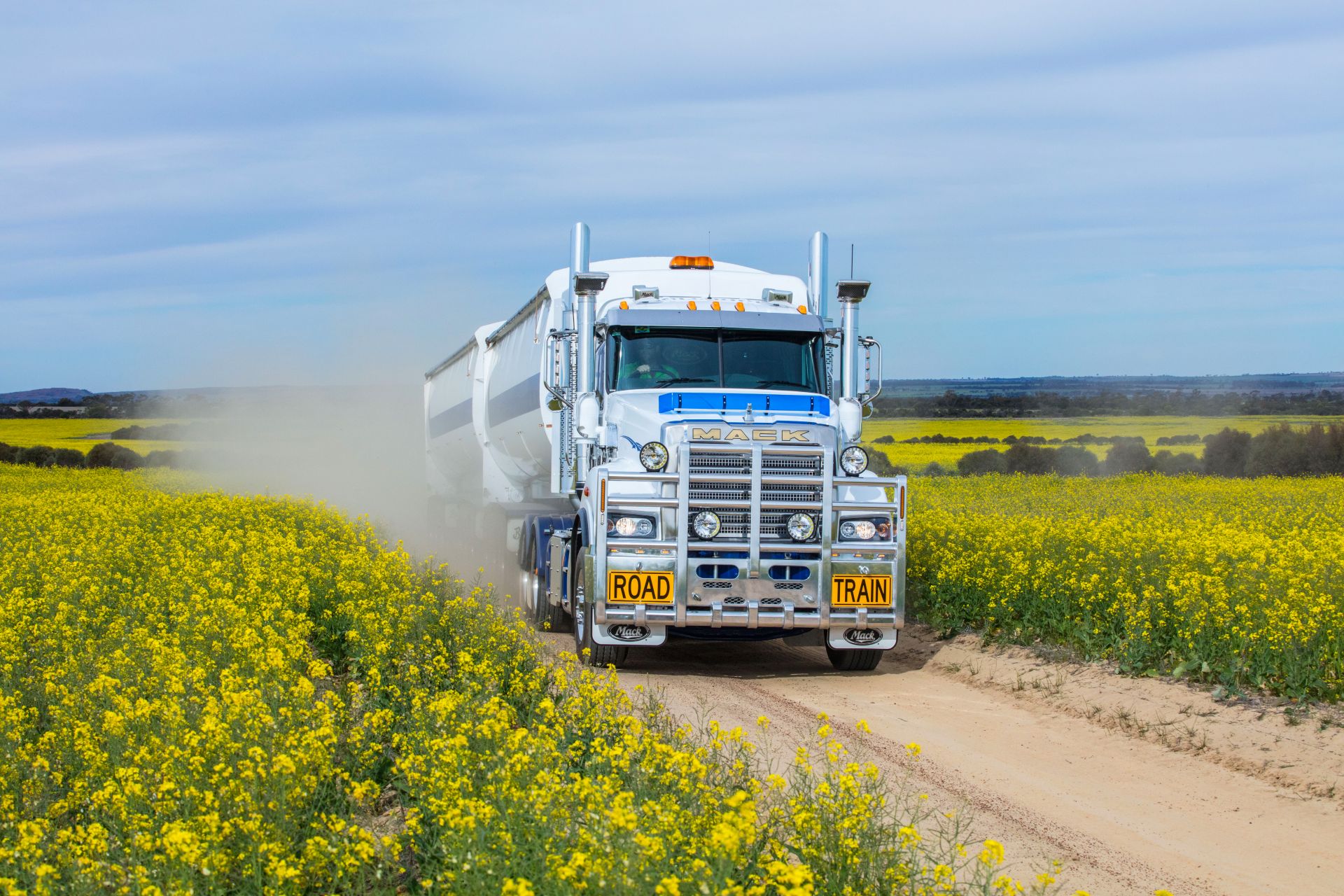
All Volvo and Mack trucks built at the Wacol factory are filled with Hydro Treated Vegetable Oil (HVO) instead of diesel fuel
“It sends a clear signal to global investors that Australia is open for business in the development and deployment of low-carbon fuels.
“For industry, this is more than a funding announcement – it is a turning point. It gives companies the confidence to invest, innovate and build here in Australia, using our enormous feedstock potential to build a clean energy future.
“With demand for low-carbon liquid fuels rising both at home and abroad, this investment positions Australia to play a leading role in meeting that need.
“With our vast agricultural and industrial base, CSIRO reports that by 2025 Australia will have enough feedstock to replace 60 per cent of local jet fuel with SAF, growing to 90 per cent by 2050.
“Low carbon liquid fuels will create jobs in regional Australia, boost economic growth, strengthen energy security, and future-proof our tourism and transport industries.”
McKenzie adds that the LCFAANZ looks forward to working with the Government on informing the details of this funding package through the public consultation and design work taking place this financial year.
HVIA has long highlighted the need for readily available and affordable low carbon liquid fuels, including in its submission to the the Transport and Infrastructure Net Zero Roadmap and Action Plan and a separate review into the use of low carbon liquid fuels in the transport sector; as well as its list of priorities distributed to all Federal MPs and Senators before the 2025-26 Budget.